Upgrading the demand for bridge cut aluminum in ultra-low energy buildings
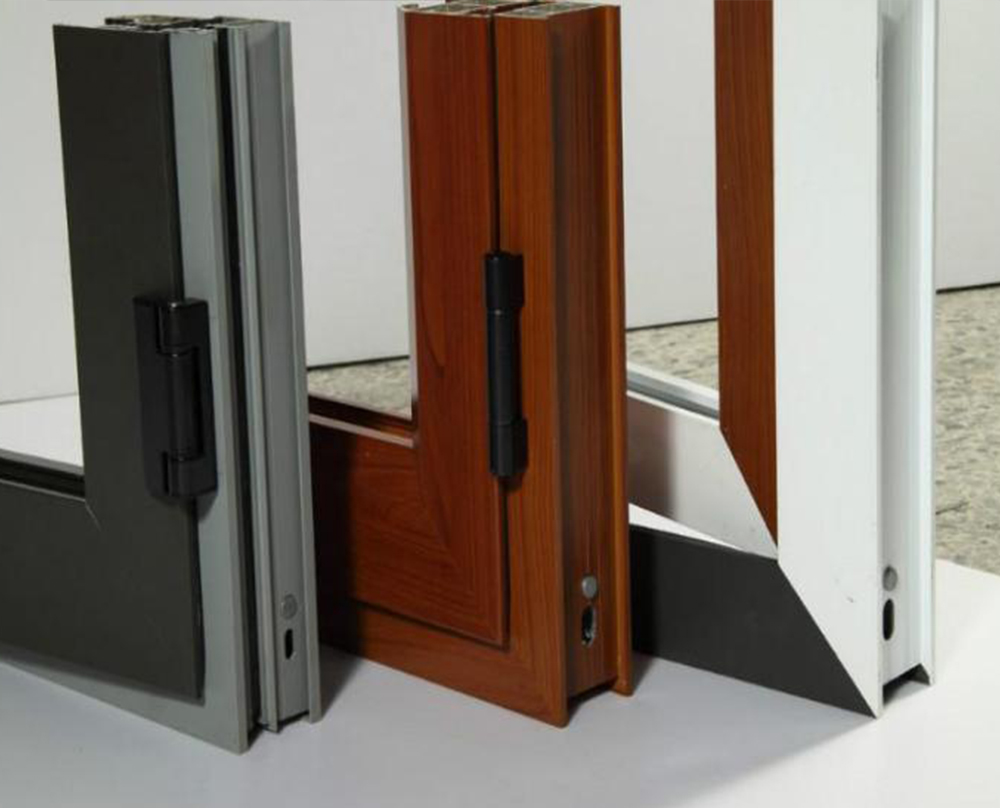
Against the backdrop of the country's vigorous development of ultra-low energy consumption and near zero energy consumption buildings, building doors and windows, as a key link in building energy conservation, continue to have higher energy-saving requirements, driving the market demand for bridge insulation aluminum profiles to upgrade towards high-end and high-performance. In recent years, the country has successively issued multiple policies such as the "Technical Specification for Low Carbon and Zero Carbon Buildings" (T/CSTM 00913-2025) and the "Residential Project Specification" (GB 55038-2025), which explicitly require new buildings to comprehensively improve energy-saving standards. Among them, the heat transfer coefficient K value of ultra-low energy consumption building windows needs to be controlled within 1.0W/(㎡· K), which far exceeds the standard for ordinary new buildings and directly promotes the upgrading of bridge insulation aluminum profiles technology.
The "Code for Residential Projects" (GB 55038-2025), as the first mandatory national standard in the field of residential construction in China, will be officially implemented on May 1, 2025. It explicitly requires that the sound insulation level of bedroom windows facing the street should be ≥ 35dB, and a combination of broken bridge aluminum profiles and three glass two cavity insulated glass (glass thickness ≥ 5 12A 5mm) should be used, with a profile wall thickness ≥ 1.4mm. This further refines the application requirements for broken bridge aluminum profiles. At the same time, local standards issued in cold regions such as Heilongjiang Province provide detailed regulations on the materials, design, processing, installation, construction, and quality acceptance of exterior doors and windows for ultra-low energy buildings. It is required that the minimum measured wall thickness of the substrate section of the main load-bearing parts of aluminum alloy profiles be no less than 1.5mm, the wall thickness of exterior window profiles be no less than 1.8mm, and the number of profile cavities be no less than 6. The glass should be multi cavity hollow glass, vacuum composite hollow glass, or composite glass filled with inert gas, with a spacing strip width of no less than 14mm, further improving the insulation and sound insulation performance of doors and windows.
Under policy promotion, ordinary low-end broken bridge aluminum profiles are no longer able to meet market demand. High performance combination solutions such as multi cavity structures, wide insulation strips (≥ 30mm), three glass two cavity Low-E insulated glass, PA66 insulation strips, etc. have become mainstream in the market. At the same time, the demand for intelligence and personalization is gradually increasing. The combination of bridge insulation aluminum profiles and intelligent door and window systems realizes functions such as automatic switching, wind and rain sensing, and remote control, further expanding the application scenarios. With the promotion of ultra-low energy buildings nationwide, the market demand for bridge insulation aluminum profiles continues to expand, and the industry is entering a window period of technological innovation and product upgrading. Leading enterprises have increased their research and development investment, launched high-performance products suitable for ultra-low energy buildings, promoted the overall quality improvement of the industry, and helped the construction industry achieve carbon peak and carbon neutrality goals.