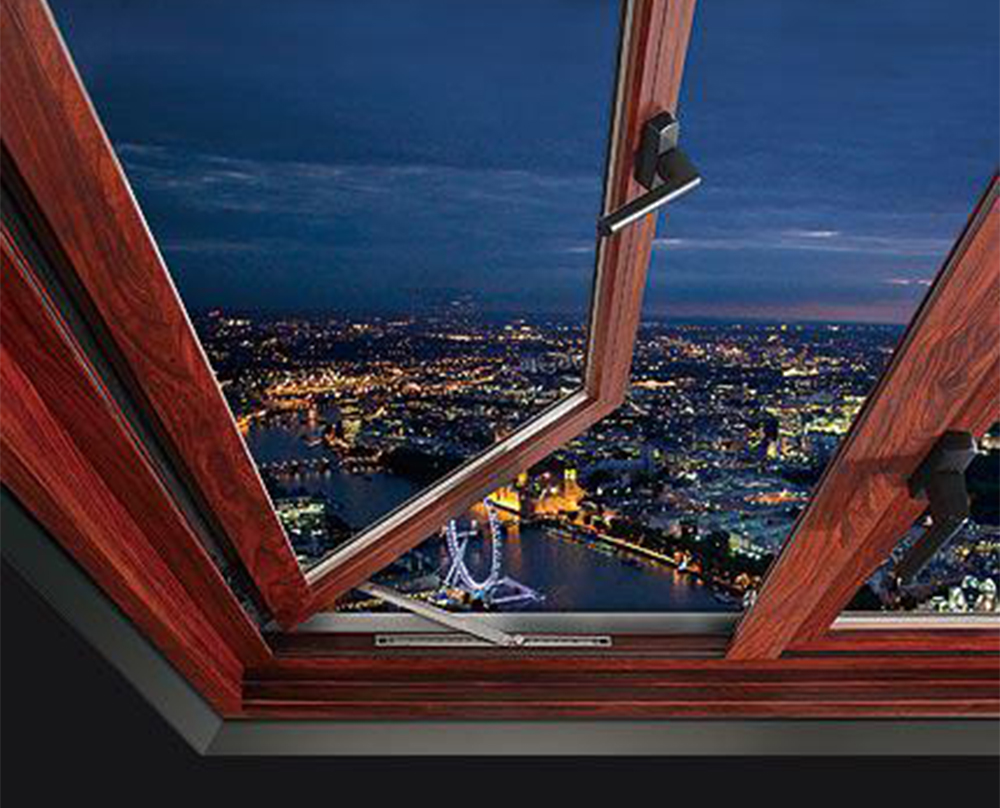
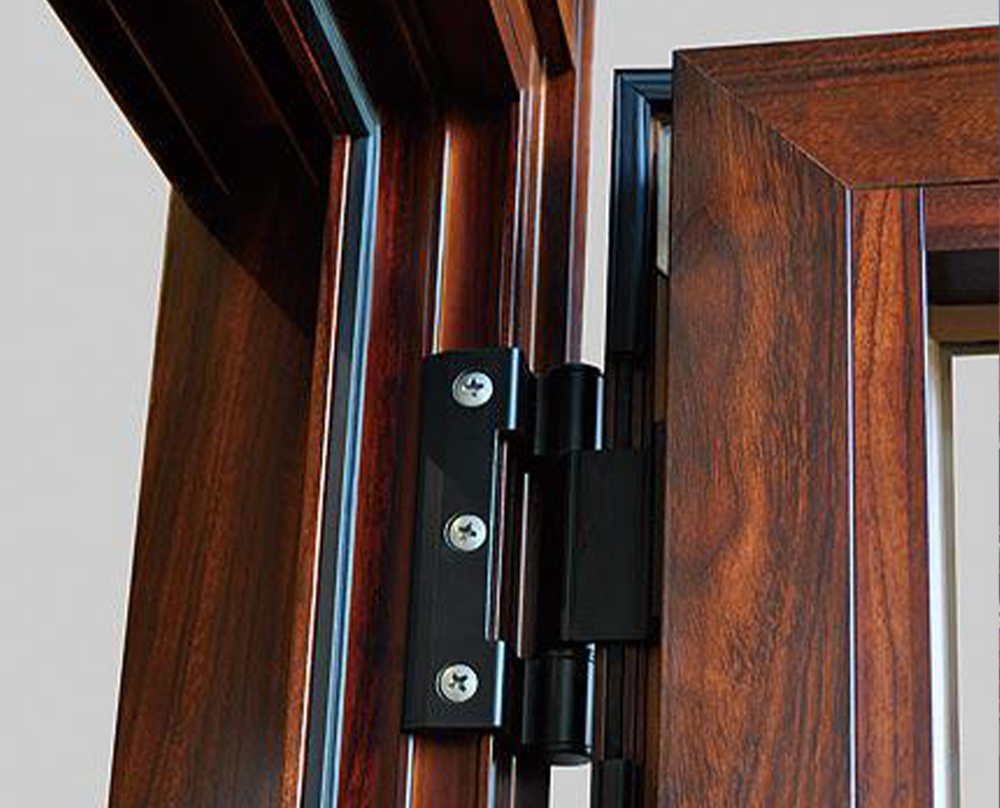
The insulation strip is rejected with one vote if the key acceptance items are not qualified
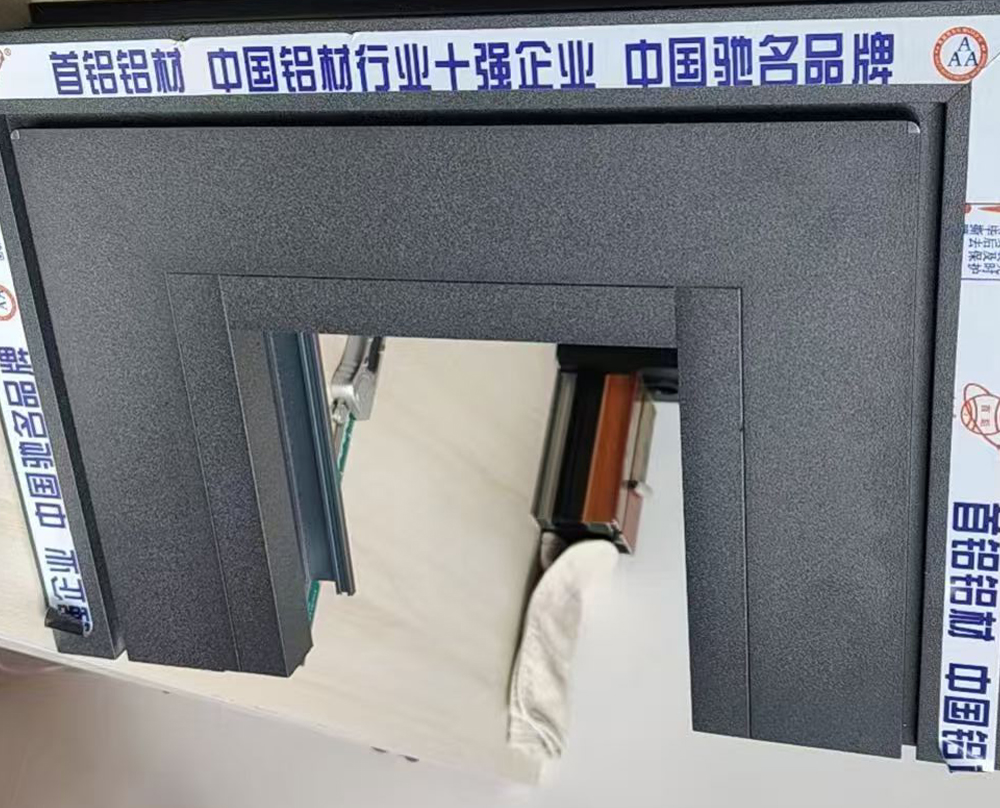
In order to further strengthen the bottom line of building energy conservation, the country has explicitly listed the insulation strips of bridge cut insulation aluminum profiles as a veto item for the acceptance of building energy conservation projects. Housing and construction departments in various regions have strengthened their entry verification and acceptance supervision, and eliminated problems such as substandard insulation strips and cutting corners from the source. As the core component of bridge cut aluminum profiles to achieve thermal insulation function, the quality of insulation strips directly determines the energy-saving effect and service life of doors and windows. Previously, some companies illegally used PVC insulation strips instead of PA66 nylon insulation strips to reduce costs. These inferior insulation strips have poor heat resistance, are prone to aging, and have insufficient mechanical properties. After a period of use, they are prone to problems such as fracture and deformation, which not only affect the energy-saving effect of doors and windows, but also reduce the structural stability of doors and windows.
According to the latest national standards, the insulation strips used for bridge insulation aluminum profiles must be made of PA66 nylon material and comply with the provisions of GB/T 23615.1-2017 "Thermal Insulation Materials for Aluminum Alloy Building profiles Part 1: Polyamide profiles". The heat resistance, dimensional accuracy, mechanical properties, shear strength and other indicators must meet the standard requirements. The use of inferior substitute materials such as PVC and recycled materials is strictly prohibited. At the same time, local standards in cold regions such as Heilongjiang further stipulate that insulation materials should be filled in the cavity formed by insulation materials and aluminum alloy profiles to further enhance the insulation effect.
To ensure the implementation of policies, housing and construction departments in various regions have explicitly required that construction units must provide qualified certificates and performance testing reports for insulation strips when entering the site of bridge insulation aluminum profiles. The supervision unit needs to conduct on-site inspections and, if necessary, conduct sampling and testing. If the inspection fails, work must be immediately stopped for rectification, and qualified products must be replaced before construction can continue. In the engineering acceptance stage, the quality and performance testing report of the insulation strip is a necessary document. If there are any unqualified situations, the entire building energy-saving engineering acceptance is unqualified and the project cannot be delivered for use. This fundamentally curbed the chaos of inferior insulation strips passing off as good, ensured the energy-saving effect and structural safety of broken bridge insulated aluminum doors and windows, and promoted the development of the industry towards standardization and high quality.