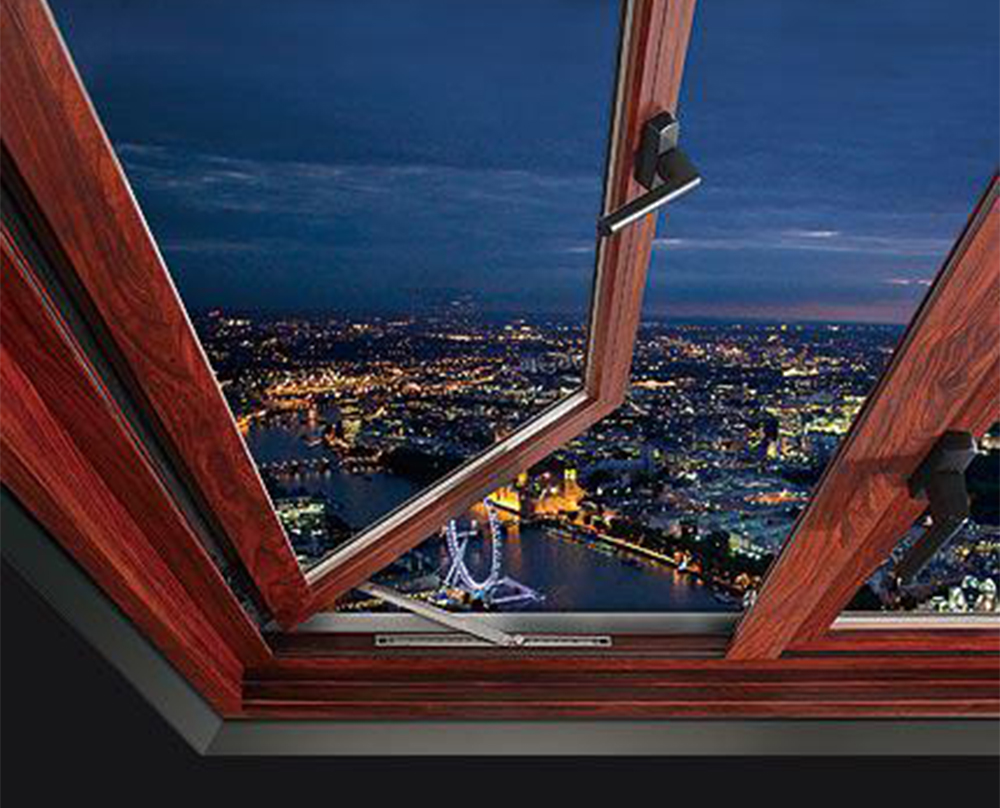
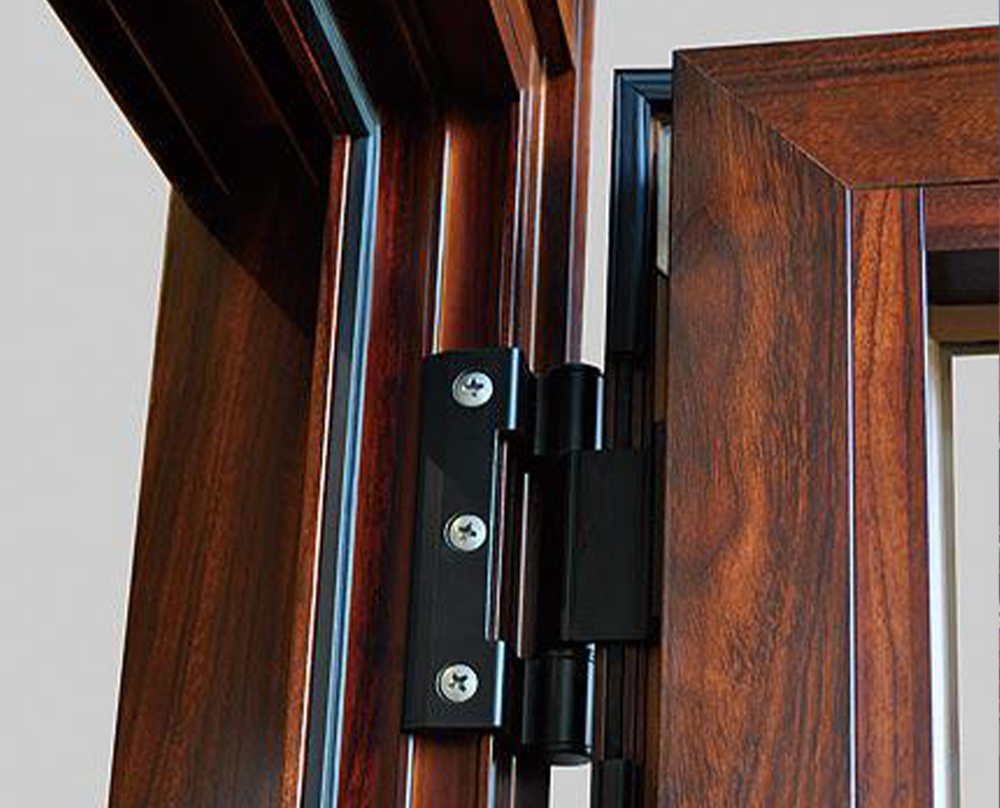
Implementation of high-performance door and window standards accelerates industry transformation

On July 1, 2025, the "Technical Regulations for Application of High Performance Building Door and Window Systems" (T/CECS 10250-2025) was officially implemented. This is the first system level technical regulation issued in China for insulated aluminum profile doors and windows with broken bridges, breaking the traditional single profile assembly model and promoting the industry's transformation and upgrading from "selling profiles" to "selling system solutions". This regulation clearly requires that the research and development, production, and construction of bridge insulated aluminum doors and windows should be carried out in accordance with the collaborative design of five subsystems: profiles, glass, hardware, sealing, and installation, comprehensively improving the air tightness, water tightness, thermal insulation, wind pressure resistance, durability, and intelligence level of doors and windows.
The regulations combine the characteristics of different climate regions in China to make differentiated requirements for the application of bridge insulation aluminum profiles. In cold regions such as Heilongjiang Province, the local standard "Technical Regulations for Application of External Doors and Windows for Ultra Low Energy Buildings" (DB23T 3821-2024) further clarifies that the wall thickness of aluminum alloy profiles for external windows in ultra low energy buildings should not be less than 1.8mm, the external door should not be less than 2.2mm, and the insulation profiles should use polyamide profiles that comply with GB/T 23615.1 regulations. PVC materials and recycled materials should not be used, and the number of cavities in the profiles should not be less than 6, and the structural dimensions of the window frame thickness should not be less than 80mm. At the same time, the regulations encourage enterprises to use multi cavity profiles, wide insulation strips, three glass two cavity hollow glass, and warm edge spacing. High quality solutions such as strips can improve the energy-saving performance of the entire window and meet the development needs of ultra-low energy consumption buildings and near zero energy consumption buildings.
In addition, the regulations also provide detailed specifications for the processing, production, installation, construction, and quality acceptance of insulated aluminum doors and windows with broken bridges. Enterprises are required to establish a sound quality control system to ensure the coordinated matching of various subsystems and avoid the impact of a single unqualified link on the overall window performance. With the implementation of this regulation, the industry entry threshold will be further raised, and the advantages of top enterprises with system design, production, and installation capabilities will be further expanded. Small and medium-sized enterprises that lack core technology and can only produce single profiles will accelerate their transformation or elimination. At the same time, the implementation of the regulations will also promote the integration of China's bridge insulation aluminum profile industry with the international advanced level, and enhance the overall quality and international competitiveness of China's building doors and windows.